
Home / The Journal / What the research actually says about...
What the research actually says about moringa
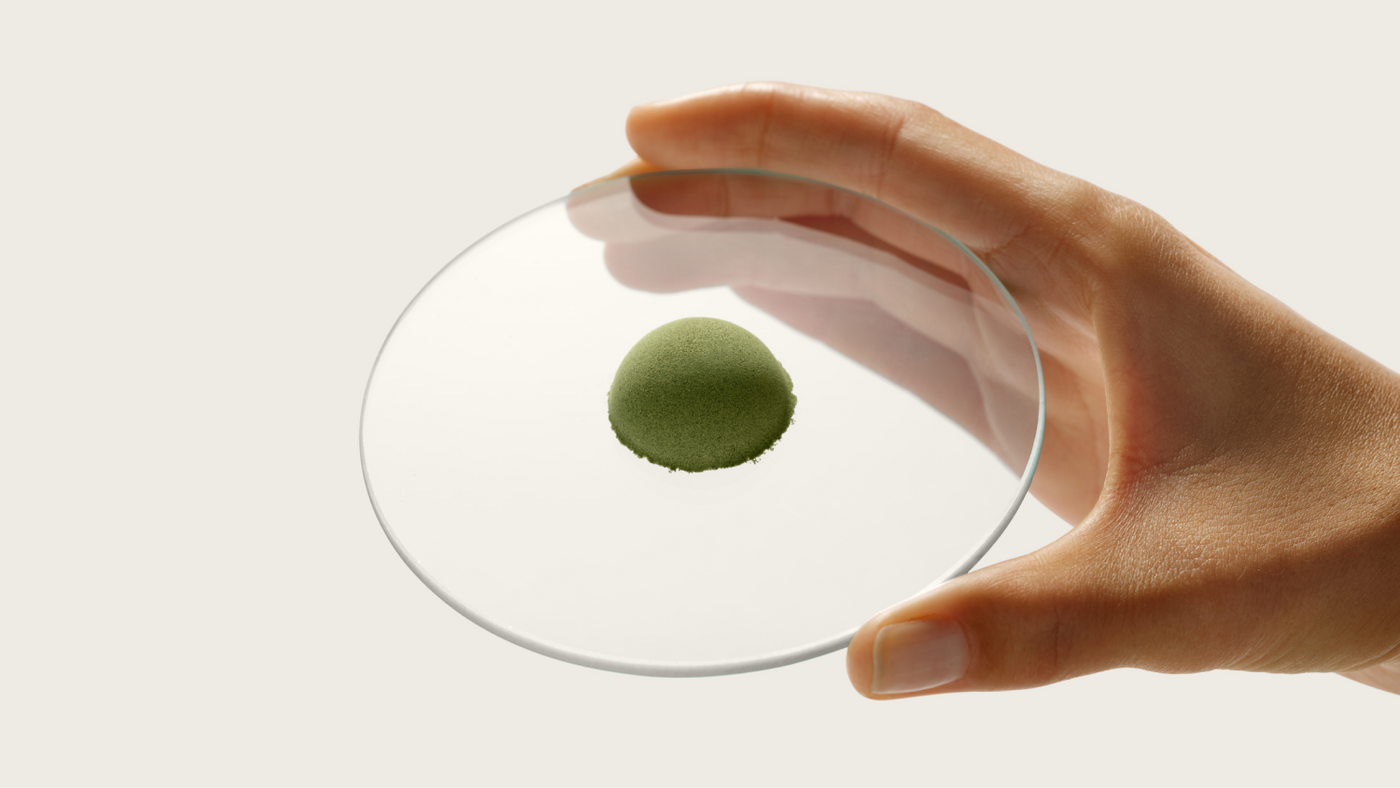
Moringa oleifera has earned nicknames like “the miracle tree” — but the real story is more convincing than the folklore. Here's a plain-language tour of what decades of peer-reviewed research actually shows.
An unusually dense nutrient profile
Gram for gram, dried moringa leaf concentrates vitamins and minerals at levels that dwarf many everyday foods — which is why it's studied as a food-based way to close nutrient gaps. It's naturally rich in iron, calcium, potassium, vitamin A (as beta-carotene), and a full B-complex.*
A complete plant protein
Unlike most plants, moringa leaf contains all nine essential amino acids — putting it in “complete protein” territory usually reserved for animal foods.*
Signature antioxidants and isothiocyanates
The leaf is rich in polyphenols like quercetin and chlorogenic acid, plus isothiocyanates — the distinctive compounds that draw the most research attention for their role in a healthy inflammatory response.*
An honest picture
Much of the most exciting research is still early — in cells, in animals, or in small human trials. We think it's more honest to point you to the open questions than to overstate them. Read the full breakdown, with citations, on our Research & Testing page.
*These statements have not been evaluated by the Food and Drug Administration. This product is not intended to diagnose, treat, cure or prevent any disease.